Early industrial innovation changed how communities produced goods, managed resources, and supported local businesses. Before modern factories and electric machines became common, mills played an important role in daily life. They helped farmers process grain, supported local trade, and introduced mechanical systems that made production faster. Sim Corder/Harrison Mill offers a useful starting point for exploring this period of industrial development.
Historic mills also show how people combined practical knowledge with available technology. Builders used natural resources, simple machines, and careful planning to improve production. Although specific details about Sim Corder/Harrison Mill require confirmation through historical records, studying traditional milling technology helps explain the engineering ideas that shaped early American industry.
The Role of Historic Mills in Early Industry
Mills were important centers of economic activity in many early American communities. Farmers depended on them to turn harvested grain into flour or meal. Before these facilities became widely available, processing grain required more manual labor. Mechanical milling helped reduce that workload and supported growing demand for agricultural products.
Mills also encouraged trade and local business development. Farmers often traveled to milling sites with grain and returned with finished products. These visits created opportunities for exchanging goods and sharing information. As communities grew, mills became part of wider networks that connected agriculture, transportation, and local markets.
How Water Power Changed Industrial Production
Water power was one of the most important energy sources used by early industries. Before electricity, many mills relied on moving water to operate heavy machinery. Waterwheels converted the energy of flowing or falling water into mechanical motion. This allowed workers to process larger amounts of material with less physical effort.
However, water-powered systems required careful planning. Builders needed to understand stream conditions, seasonal water levels, and the surrounding land. They often developed channels and gates to direct water toward machinery. These methods helped control production and improve efficiency. Such engineering principles provide useful context when studying the industrial technology associated with historic milling sites.
Mechanical Innovation in Traditional Milling Systems
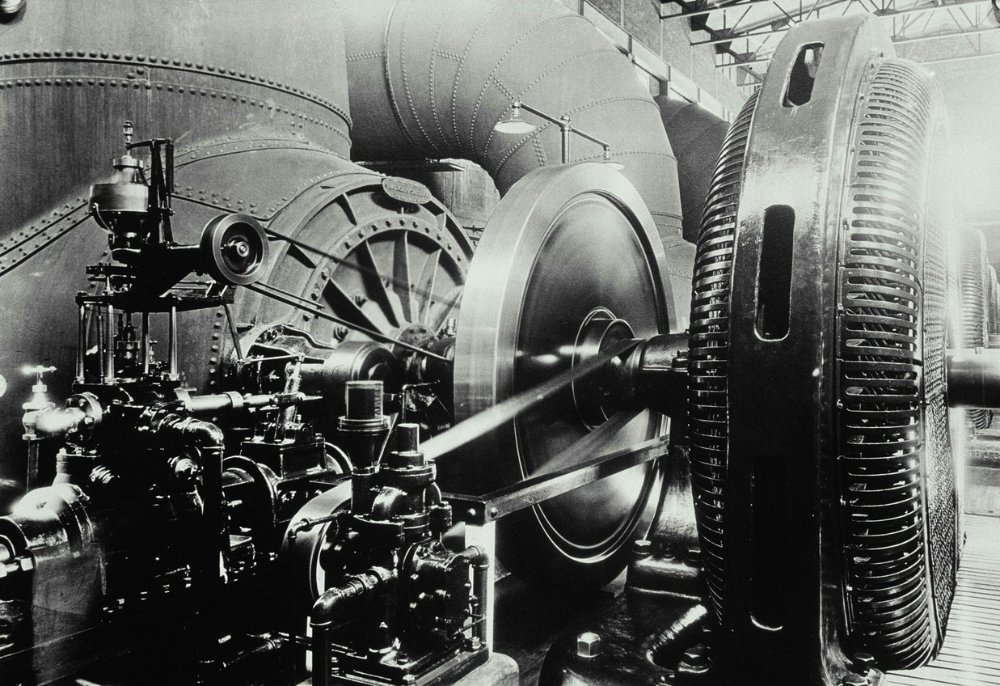
Early mills used connected mechanical parts to transfer energy from a waterwheel to processing equipment. Shafts, gears, and rotating stones worked together to grind grain. Each component performed a specific task. When properly adjusted, these systems allowed mill operators to maintain a steady production process.
The development of improved gears and machinery helped increase milling efficiency. Operators could adjust grinding equipment to produce different textures and manage changing workloads. Over time, advances in mechanical design reduced waste and improved output. Examining surviving machinery or historical records from Sim Corder/Harrison Mill could help identify which technologies were used at the site.
Building Design and Practical Engineering Solutions
Historic mill buildings needed strong foundations and reliable structural support. Heavy equipment created constant movement, while nearby waterways exposed buildings to moisture. Builders often used timber, stone, and brick to create durable structures. They also considered how machinery would fit inside the building and how workers could move materials between different areas.
Building design often reflected the needs of daily production. Multiple floors could allow workers to use gravity when moving grain through processing stages. Storage areas helped protect raw materials and finished products. These practical features demonstrate how early builders combined construction knowledge with production needs. However, the exact layout of Sim Corder/Harrison Mill should be verified through site records.
How Mills Supported Agricultural Communities
Agriculture formed the economic foundation of many early American settlements. Farmers needed dependable ways to process crops and prepare food for local markets. Mills provided an important service by converting grain into products that families and businesses could use. This connection made milling facilities valuable parts of rural communities.
Reliable milling services also helped farmers manage their time. Instead of grinding large amounts of grain by hand, they could use mechanical processing and focus on other agricultural tasks. In some communities, mills supported nearby stores, workshops, and transportation businesses. These relationships show how industrial improvements could influence economic activity beyond a single building.
The Connection Between Mills and Industrial Progress
Traditional mills helped introduce ideas that later became important in larger factories. Mechanical power, organized production, and specialized equipment allowed businesses to increase output. Workers learned how to maintain machines, manage materials, and improve daily operations. These skills supported the growth of more advanced industrial systems.
As technology developed, steam engines and electric motors gradually changed how many industries operated. However, water-powered mills remained important examples of earlier innovation. Their mechanical systems demonstrate how engineers solved practical problems before modern technology existed. Studying these changes helps explain the transition from small local industries to larger manufacturing operations.
Why Preserving Historic Mill Sites Matters
Historic mills provide valuable evidence of early engineering and community development. Their buildings, foundations, machinery, and surrounding landscapes can reveal how people worked and used natural resources. Preserving these features helps researchers understand construction methods, production systems, and the daily responsibilities of mill workers.
Historical research is especially important when information about a specific site remains limited. Old maps, property records, photographs, and local archives may help establish the history of Sim Corder/Harrison Mill. These sources can also reveal changes in ownership, equipment, and building use. Accurate documentation helps protect the site’s historical value and prevents unsupported claims.
Understanding the Lasting Value of Early Industrial Innovation
Early industrial innovation was not limited to large factories or major cities. Smaller facilities also introduced practical improvements that changed how communities worked. Traditional mills demonstrate the value of mechanical knowledge, resource management, and efficient production. Their engineering principles continue to offer useful lessons about the development of modern industry.
Sim Corder/Harrison Mill provides an opportunity to examine these broader changes through the study of historic milling practices. Further research into the site’s original equipment and construction could reveal its specific contributions to local industry. By exploring and preserving historic mills, communities can better understand the technologies and practical ideas that helped shape American industrial development.