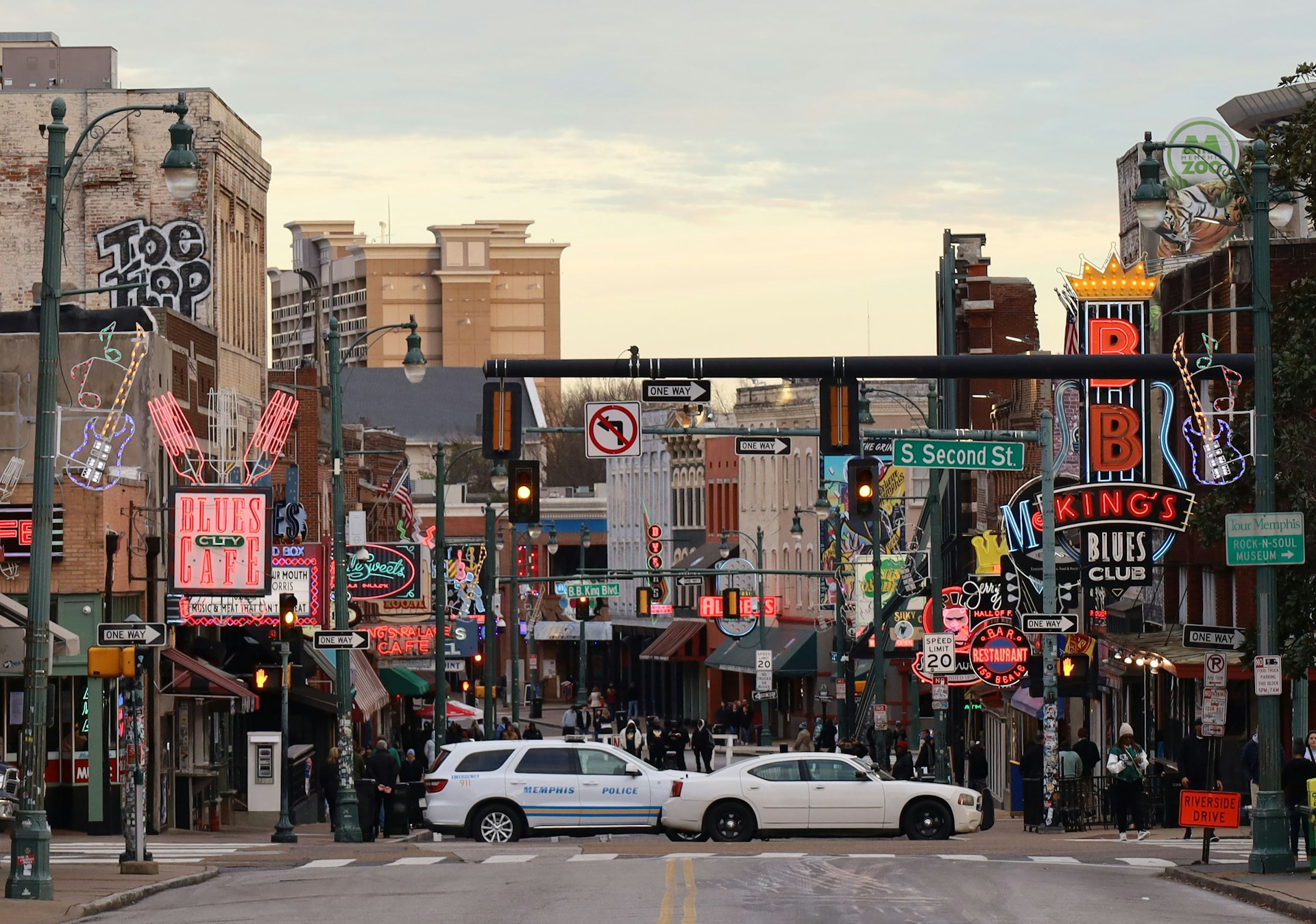
Rural Southern communities often carry their history in courthouses, storefronts, churches, farms, depots, and traditional neighborhoods. Protecting these places can do more than preserve memories. Heritage conservation can strengthen local economies by turning existing cultural assets into sources. These include business activity, employment, investment, and community pride. When towns protect distinctive buildings and landscapes, they also protect qualities that make them worth visiting, supporting, and calling home. This approach gives rural leaders an economic development tool rooted in local identity rather than costly reinvention.
Heritage Conservation Creates Local Economic Value
Historic buildings already represent years of labor, materials, craftsmanship, and public investment. Reusing them allows communities to capture that existing value instead of starting over. Renovation projects also direct spending toward contractors, carpenters, electricians, painters, architects, and other skilled workers. Because many services come from nearby businesses, more project dollars can circulate within the regional economy.
Preservation can also make downtown districts more attractive to private investors. A restored block signals care, stability, and confidence in the community’s future. That signal can encourage property owners to improve neighboring buildings and entrepreneurs to consider vacant spaces. Over time, coordinated improvements can turn overlooked commercial areas into active business districts without erasing their character.
Historic Places Strengthen Rural Tourism
Travelers increasingly seek places that offer distinctive stories, architecture, food, traditions, and landscapes. Rural Southern towns often possess these assets naturally. Historic preservation tourism can connect restored buildings with museums, walking routes, festivals, local restaurants, and cultural events. Visitors then have more reasons to stay longer and spend money across several businesses.
Tourism works best when the community experience feels authentic rather than manufactured. A preserved main street, historic courthouse square, or traditional neighborhood gives visitors a clear sense of place. Meanwhile, locally owned shops can sell products tied to regional crafts and stories. This combination helps tourism revenue reach residents while giving visitors experiences they cannot easily find elsewhere.
Preservation Supports Small Business Growth
Older commercial buildings often provide flexible spaces for independent businesses. Their smaller storefronts can suit cafes, studios, retailers, professional offices, and service companies. Adaptive reuse can therefore support rural economic development while bringing underused properties back into productive use. It can also create business clusters that benefit from shared foot traffic.
Historic districts can give small businesses a valuable identity advantage. Customers may remember a shop inside a restored depot or century-old storefront more easily than a generic location. That memorable setting strengthens branding and encourages repeat visits. In addition, active businesses help maintain historic properties by generating income for repairs, utilities, taxes, and future improvements.
Conservation Helps Communities Attract Investment
Rural towns compete for residents, entrepreneurs, workers, and outside capital. Quality of place can influence those decisions. Well-maintained historic areas show that a community values its assets and manages change carefully. Investors often respond positively when public spaces, buildings, and commercial corridors show visible signs of long-term stewardship.
Public preservation efforts can also support broader revitalization plans. Local governments may coordinate infrastructure upgrades, facade improvements, grants, or planning assistance around historic districts. Private owners can then invest with greater confidence as surrounding conditions improve. When public and private actions reinforce each other, limited rural resources can produce a stronger economic impact.
Local History Builds Workforce and Community Pride
Economic strength depends as much on people as on property. Heritage conservation can create opportunities for workers to develop practical skills in masonry, woodworking, restoration, research, interpretation, and property management. These skills support preservation projects while expanding local career options. They can also help communities retain workers who might otherwise seek opportunities elsewhere. That confidence can inspire residents to support preservation through local partnerships.
Adaptive Reuse Makes Existing Assets Work Harder
Vacant historic properties can become liabilities when roofs fail, utilities deteriorate, and safety problems grow. Adaptive reuse offers another path. Communities can convert old schools into housing, depots into visitor centers, and warehouses into commercial spaces. Former civic buildings can become community facilities. Each new use can restore activity while reducing long-term vacancy.
Reusing existing structures may also preserve established streets, sidewalks, utilities, and nearby services. That makes development more connected to the existing town fabric. Instead of spreading investment across distant sites, communities can concentrate activity where infrastructure already exists. This approach can strengthen downtown foot traffic and make public improvements serve more people.
Protecting Heritage Supports Long-Term Rural Prosperity
Heritage conservation works best when leaders treat preservation as an economic strategy, not simply a cultural project. Communities should identify valuable assets, set realistic priorities, encourage appropriate reuse, and connect preservation with business development. They should also involve property owners and residents early. Local participation helps projects reflect real needs while building support for care.
The strongest rural economies often grow from qualities that competitors cannot copy. Historic buildings, regional traditions, local stories, and established landscapes give Southern communities that advantage. Protecting those assets can support tourism, entrepreneurship, investment, skilled work, and stronger town centers. More importantly, conservation allows economic progress to build on local character. Rural communities can move forward without discarding the places that made them distinctive.