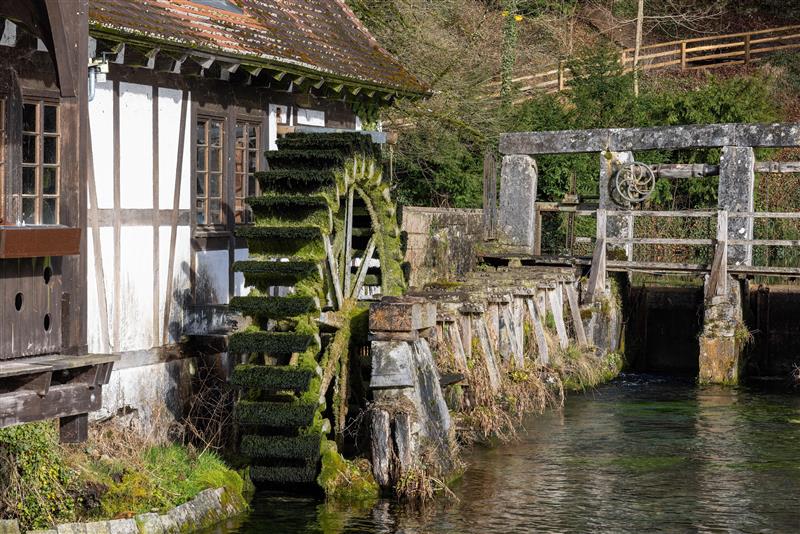
The Sim Corder Mill holds a strong place in local memory because it reflects the region’s early industrial growth. The mill tells the story of communities that shaped their lives through labor, craftsmanship, and resilience. People visit the mill today to understand how earlier generations built systems that supported trade, food production, and family livelihoods. The structure stands as a living classroom, and it guides everyone toward a deeper appreciation of heritage conservation.
This mill also helps people value their roots and identity. Many families who grew up near the mill remember the strong connection their elders had with it. This emotional link encourages the community to take action in support of heritage conservation. As people learn more about the mill, they discover how history influences modern life. They also see how preserving cultural landmarks keeps local stories alive for future generations.
Community Action and Leadership in Conservation
Residents recognize the mill as a symbol of pride, so they continue to lead conservation projects with determination. They volunteer time, organize educational events, and raise funds through fairs and public gatherings. Their efforts show how teamwork strengthens heritage conservation. When people join hands for a shared cause, they build a force that protects the region’s cultural identity. This cooperation allows the mill to remain a meaningful landmark.
Leaders from various organizations also support these programs. They bring technical knowledge, structural guidance, and research to help the community make informed decisions. Students, teachers, builders, and historians work together to protect the building. Their approach creates a balanced plan for conservation because it blends real experience with academic study. Their dedication inspires others to support the long-term health of the Sim Corder Mill.
Restoration Strategies that Strengthen the Mill’s Structure
Conservation teams study the mill carefully before beginning repairs. They focus on identifying weak or damaged areas so they can be repaired without compromising the original design. Skilled workers use materials that match the mill’s early construction style, thereby helping protect its cultural identity. These workers clean, reinforce, and rebuild sections that need attention. This step-by-step method supports heritage conservation while maintaining the mill’s authentic look.
Modern tools also play a helpful role in restoration. Engineers use digital mapping, moisture testing, and 3D modeling to understand how the mill reacts to weather and aging. These tools provide workers with clear data and reduce the risk of mistakes. With better information, they improve the mill’s safety and stability. Their work shows how traditional craftsmanship and modern science can work together to protect historic structures.
Educational Programs that Build Public Awareness
Schools include lessons about the Sim Corder Mill to help students understand the importance of heritage conservation. Teachers encourage field trips, which allow students to explore the site and experience history firsthand. Students observe old tools, historic machinery, and architectural features. These activities increase curiosity and foster respect for the work of earlier generations. Education builds a bridge between the past and the present, and that bridge supports lasting cultural awareness.
Public workshops also attract visitors from different age groups. These programs highlight the mill’s influence on regional farming, trade, and community development. Skilled guides explain how early workers used the mill in daily life. They demonstrate traditional milling activities and invite visitors to participate. People begin to understand how the mill shaped local culture. This awareness encourages them to protect it and to share its story with others.
Environmental Stewardship and Site Protection
Conservation teams protect the landscape around the mill because the environment also plays a major part in heritage conservation. Trees, soil, nearby streams, and local wildlife all contribute to the mill’s natural setting. Workers maintain the grounds with care to prevent erosion, flooding, and pollution from damaging the structure. They plant native vegetation to stabilize the area and improve the ecosystem’s health. This work helps the mill stay strong in changing weather conditions.
Community groups also monitor the surrounding environment. They pick up litter, remove weeds, and restore walking paths. These activities create a safe and welcoming space for visitors. Families come to enjoy nature, learn history, and spend time together. When people feel connected to the land, they feel more motivated to protect the mill. Environmental care, therefore, becomes another pillar of heritage conservation.
The Future of Heritage Conservation at the Sim Corder Mill
Plans focus on expanding research, improving visitor facilities, and building stronger partnerships. Historians plan to document untold stories, which will enrich public understanding of the mill. Builders hope to reinforce the roof, protect wooden beams, and improve drainage around the site. These efforts show that conservation continues to evolve. By listening to experts and community members, teams create thoughtful solutions for future challenges.
The community also hopes to create a small cultural center near the mill. This space will display old photographs, tools, and written records. Visitors will gain a complete view of the mill’s history. The center will also host classes and meetings that support heritage conservation in the region. People believe that this vision will protect the mill for many decades. Their unity and determination give strength to every step of the preservation journey.