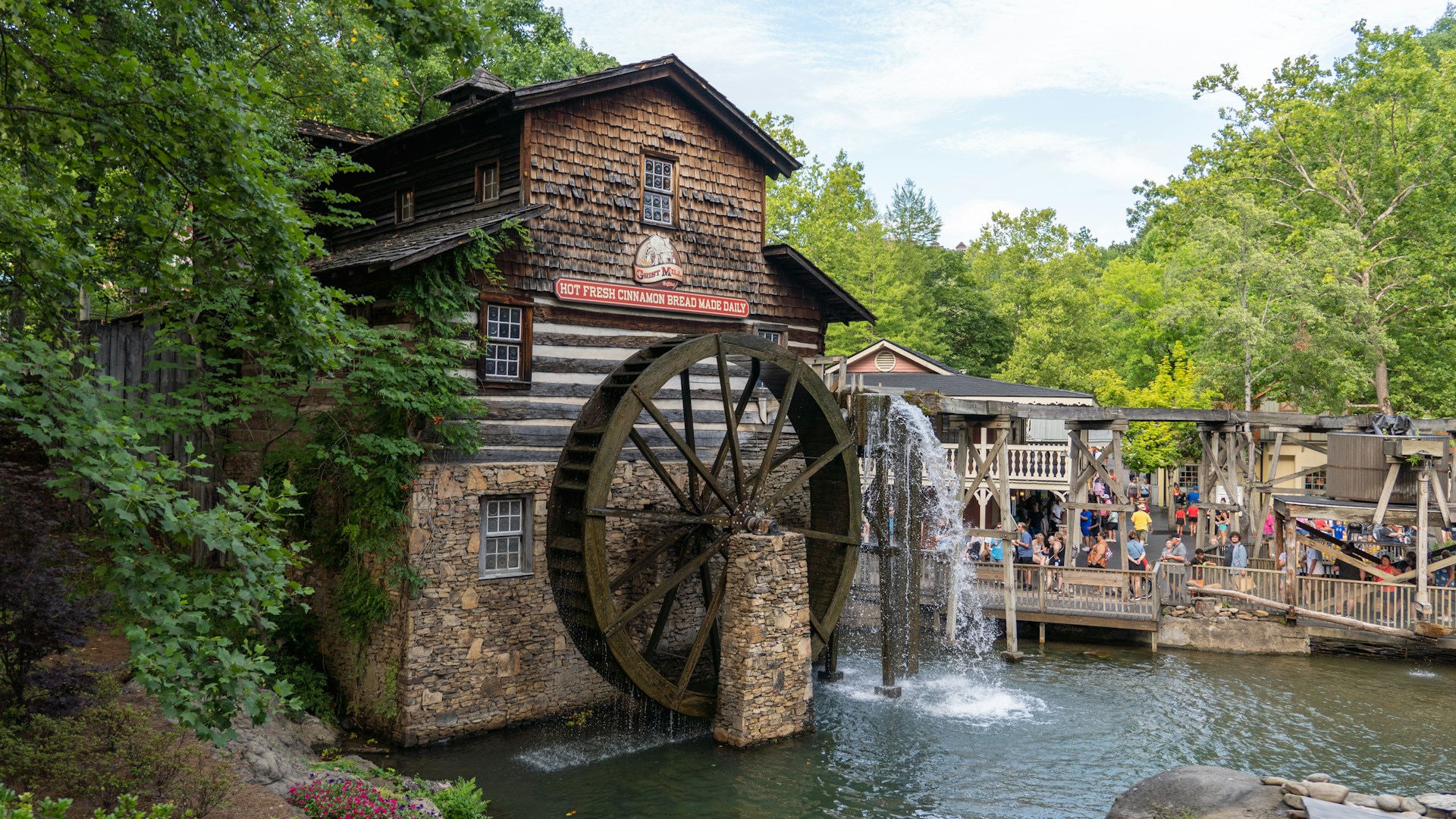
Historic landmarks give communities a direct connection to the people who lived and worked before them. Old mills are especially valuable because they reveal how earlier generations used local resources, practical engineering, and skilled labor to support daily life. The Sim Corder/Harrison Mill in Limestone County, Alabama, represents that kind of legacy. Through rural heritage preservation, the site continues to tell a story that began more than a century ago and could easily have disappeared without long-term care.
The mill’s importance comes from more than its age. It reflects changing ownership, family stewardship, water-powered technology, and the wider industrial history of the area. According to its historical marker, the mill dates to 1909 and is the only former mill in Limestone County restored to its historic appearance. That makes its survival especially meaningful for people interested in local history and traditional craftsmanship.
Following a Story That Began in 1909
The recorded story of the Sim Corder/Harrison Mill begins with Simeon Corder. The historical marker states that Corder is said to have made an agreement with George Hamilton in 1909 to build and operate the mill. Their arrangement reportedly depended on a handshake rather than a formal written contract.
That detail offers a small but memorable look at business culture in the early twentieth century. Local enterprises often depended heavily on personal relationships, reputation, and trust. Therefore, the mill represents not only early industrial activity but also the social connections that helped rural businesses operate.
After Corder died in 1923, his widow sold the mill to Aubrey Todd. Todd later sold it to George Harrison in 1927. Harrison’s descendants have continued to own the property, giving the mill an unusually long connection to one family line.
Understanding Why Old Mills Matter
Before electric machinery became common, water-powered mills played an important role in rural communities. Flowing water provided energy that could drive mechanical systems and help people process important materials or agricultural goods.
These mills were practical structures, but they were also community landmarks. Farmers, workers, families, and merchants often passed through them as part of everyday life. As a result, mills became closely tied to the economic and social patterns of their surrounding areas.
Limestone County once had many mills along its waterways. However, the historical marker for the Sim Corder/Harrison Mill states that it is the only one restored to its historic appearance. Consequently, its preservation helps represent a wider group of sites that no longer survive in the same condition.
That rarity increases the importance of continued care. Once the last strong example of a building type disappears, communities lose an important physical source of historical knowledge.
Bringing an Important Waterwheel Home
The waterwheel forms one of the most distinctive parts of the mill’s history. According to the site’s marker, the wheel was sold in 1939 and moved to Anderson, Alabama. It stayed there for several decades.
By 1996, the wheel had experienced years of deterioration. After major repairs, however, it returned to its original location. A new millrace was also created, helping restore the mill closer to its earlier appearance.
The return of the waterwheel mattered for more than appearance. A waterwheel immediately helps visitors understand how such a structure once used moving water as a source of power. Therefore, returning it to the site restored an important part of the mill’s identity.
Its story also demonstrates how complicated preservation can become. Important parts of historic structures may disappear, move, decay, or become separated from their original settings. Bringing them back often requires research, determination, repair work, and a willingness to preserve features that others might consider outdated.
Respecting Original Character During Repairs
Historic restoration requires a different mindset from ordinary renovation. A modern renovation may focus on making a building look new. Conservation, however, should protect the qualities that reveal its age and history.
That means old materials often deserve careful evaluation before replacement. Timbers, stonework, mechanical parts, and structural details may contain evidence of traditional construction practices. Removing them without need can reduce the historical value of the property.
This principle makes traditional mill restoration an exercise in balance. Owners need to protect the structure from failure while also keeping as much historic character as possible. New support may sometimes be necessary, but it should not erase the features that make the site meaningful.
Careful repairs also help visitors distinguish an authentic historic place from a modern reproduction. Original materials show marks of use, weather, tools, and time. Those details create a physical connection to the people who built, operated, and maintained the mill.
Preserving the Relationship Between Water and Land
A mill cannot be fully understood by studying the building alone. Its location and surrounding landscape were essential to its operation. Waterways, elevation, channels, and land conditions all influenced how water reached the wheel and how mechanical power became available.
The restored millrace is especially important for this reason. Its return helps explain the relationship between the mill and the flow of water that once supported its operation.
However, water also creates conservation problems. Moisture can weaken wood, affect foundations, encourage plant growth, and contribute to erosion. Therefore, protecting a historic mill requires regular attention to both the building and its environment.
The surrounding setting also adds educational value. Visitors can better understand early engineering when they see how builders used natural conditions rather than viewing the structure as an isolated object.
Keeping Family Stewardship at the Center
Historic sites often survive because individuals decide that losing them would mean losing part of their own story. The Sim Corder/Harrison Mill has benefited from a long family connection that helped keep its history alive.
The historical marker notes that George Harrison purchased the mill in 1927 and that his descendants have owned it since then. This continuity gave later generations a direct reason to care about the structure and what it represented.
Grady Gaston’s biography also describes his personal connection with the property. It states that he restored the mill in 2005 and continues maintaining it as part of his interest in preserving his family’s legacy.
Such stewardship matters because historic preservation is rarely a one-time project. A restored building still needs inspections, repairs, vegetation control, moisture management, and long-term planning. Family commitment can provide the continuity needed to keep that work going.
Sharing Local History With Future Generations
A restored historic site gains even more value when people understand its story. In 2016, the Limestone County Historical Society and Athens/Limestone Tourism Council placed a historical marker at the mill. The marker records major dates, ownership changes, and the return of the waterwheel.
Public recognition helps turn a private structure into a wider educational resource. People who pass the property can learn why it matters, while local students and history enthusiasts gain another way to understand the development of their region.
The mill has also become a recognizable local landmark. Reporting surrounding the 2016 marker noted that people visited the picturesque site for occasions such as graduation and wedding photographs. This shows how historic places can continue gaining new meaning even after their original economic role ends.
Preservation, therefore, does not freeze a site in time. Instead, it allows each generation to form its own connection with the place while respecting the history already attached to it.
Protecting a Legacy That Still Has More to Teach
Continued historic landmark stewardship can help the Sim Corder/Harrison Mill remain a visible source of local knowledge for decades to come. The building, waterwheel, millrace, surrounding landscape, and family history work together to explain how people once used natural power and practical engineering. Protecting those elements gives future visitors an experience that books and photographs alone cannot provide.
The mill’s survival also offers a wider lesson about conservation. Historic places often endure because individuals and communities decide that their stories still matter. The return of the waterwheel, restoration of the millrace, family ownership, and public recognition all contributed to keeping this landmark connected to the present. By continuing that care, preservationists can protect not only an old structure but also a lasting piece of Limestone County’s cultural memory.