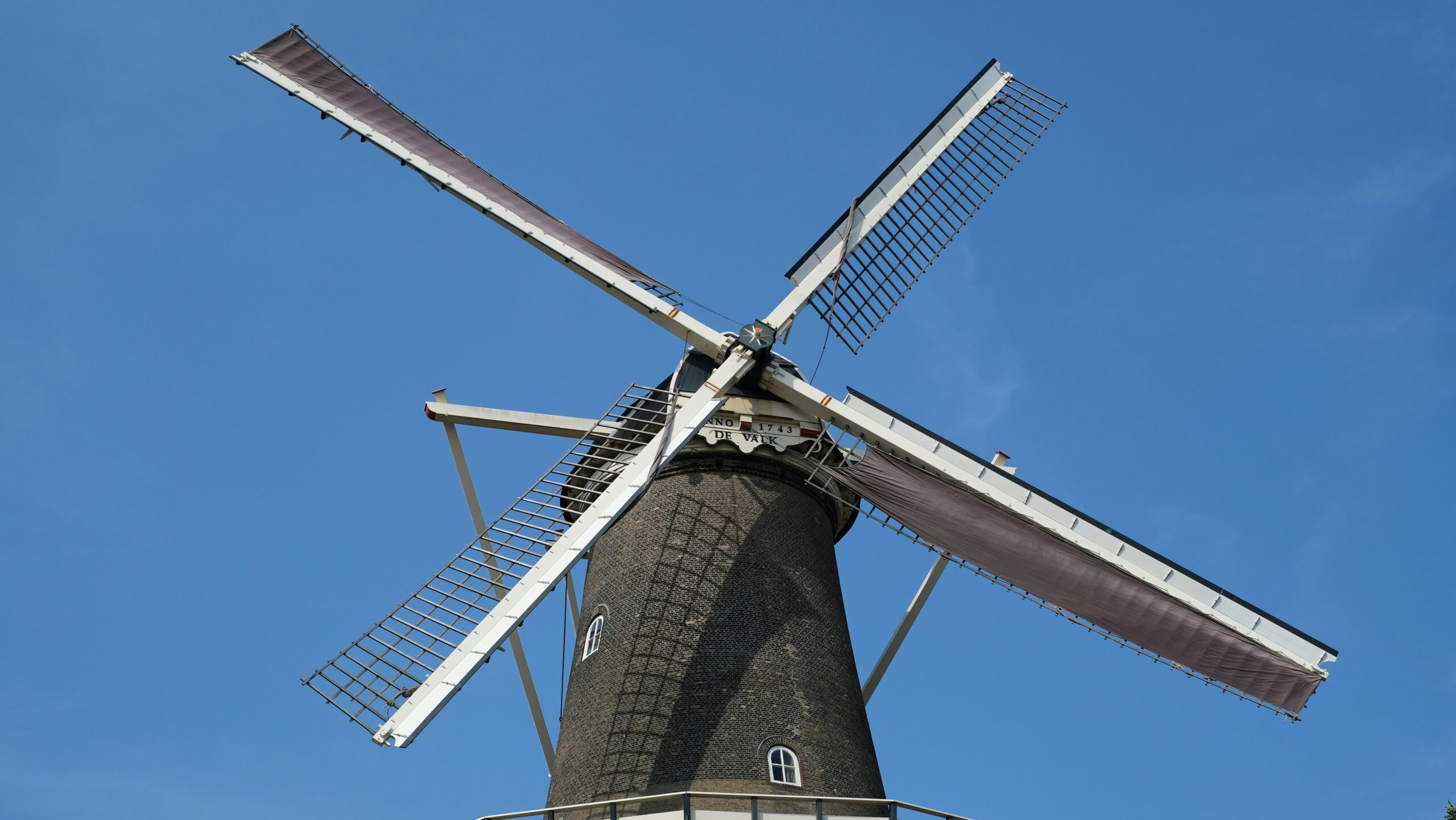
Historic places shape how communities remember themselves. They hold stories that cannot be replaced once lost. The Sim Corder, also known as the Harrison Mill, stands as one of those places. Its walls reflect labor, ambition, and survival. Preserving it means protecting more than wood and stone. It means honoring the people who built a future around it.
The mill has witnessed generations of change. It has endured floods, shifting economies, and the slow pull of time. Yet it remains rooted in its original purpose. This endurance gives it meaning that modern buildings cannot copy. Saving the Sim Corder/Harrison Mill preserves a living connection to the past.
A Mill Born From Community Effort
The Sim Corder/Harrison Mill was born of shared determination. Local families relied on it for daily needs. Farmers brought grain and left with flour that fed households and towns. The mill became a place of work and trust. People met there not only to trade but to connect.
Its construction reflects the skills of early builders. They worked without modern tools or shortcuts. Every beam and joint tells a story of patience and care. Preserving the mill protects this craftsmanship. It allows future generations to see how communities once built what they needed by hand.
The mill also shaped local growth—roads formed around it. Small businesses followed. Homes appeared nearby. Without the mill, the area might never have developed as it did. Saving it keeps that origin story visible and real.
The Human Stories Etched Into the Structure
The mill carries personal histories within its walls. Workers spent long days inside, often in difficult conditions. Their effort powered local life. Each creaking floorboard reflects hours of labor and hope. Preserving the mill honors those lives and sacrifices.
Families passed down stories tied to the mill. Children learned about work and responsibility there. Elders shared memories of seasons marked by harvests and grinding days. These stories give depth to local history. Without a physical location, they risk becoming abstract.
Preservation gives those stories a home. Visitors can stand where others once stood. They can imagine the sounds and smells of daily life long ago. This shared experience builds empathy and understanding across time.
Architectural Value That Cannot Be Recreated
The design of the Sim Corder/Harrison Mill reflects its era. It uses local materials and practical design choices. Nothing about it feels wasteful or excessive. Every part served a clear purpose. This honesty in construction has lasting value.
Modern replicas cannot capture this authenticity. Even carefully executed restorations differ from the original work. Preserving the actual structure maintains its integrity. It allows people to study real methods rather than guesses or imitations.
The mill also teaches lessons about durability. Builders planned for strength and longevity. The structure survived because it was built with care. Preserving it shows how thoughtful design can stand the test of time.
Cultural Identity and a Sense of Place
Historic foundations anchor cultural identity. The Sim Corder/Harrison Mill gives the community a shared reference point. It reminds people where they came from and what they value. Losing it would weaken that sense of place.
The mill also offers continuity in a changing world. New developments rise quickly and disappear just as fast. The mill stands as a steady presence. It reassures people that some things still endure.
Preservation encourages pride and responsibility. When people care for historic places, they invest in their community. They become stewards of memory rather than passive residents. This connection strengthens social bonds and local identity.
Education Through Living History
The mill serves as a powerful learning tool. Students can see history rather than just read about it. They can touch materials and understand scale and effort. This kind of learning lasts longer.
Teachers and historians gain a valuable resource. The mill supports lessons in history, engineering, and social life. It shows how people solved problems with limited resources. Preserving it keeps these lessons accessible.
Living history also invites curiosity. Visitors ask questions and seek stories. This engagement keeps history active and relevant. Without preservation, these opportunities disappear.
Why Preservation Matters Now More Than Ever
Time constantly pressures historic structures. Weather, neglect, and development threaten their survival. Once lost, they cannot be truly replaced. The Sim Corder/Harrison Mill faces these same risks today.
Preservation requires action and commitment. It asks communities to value long-term meaning over short-term gain. Saving the mill protects a piece of shared heritage that benefits everyone.
The mill stands as a reminder of resilience and cooperation. Preserving it sends a message that history matters. It shows respect for past effort and faith in future understanding.
A Responsibility to the Future
Preserving the Sim Corder/Harrison Mill is an act of care. It bridges generations and keeps memory alive. Future visitors deserve the chance to experience this place as it stands today.
The mill connects people to real stories and real work. It offers lessons in perseverance and community spirit. These values remain relevant, even in a modern world.
Protecting the mill ensures its voice continues to speak. It tells a story of shared effort and lasting impact. That story deserves to endure.