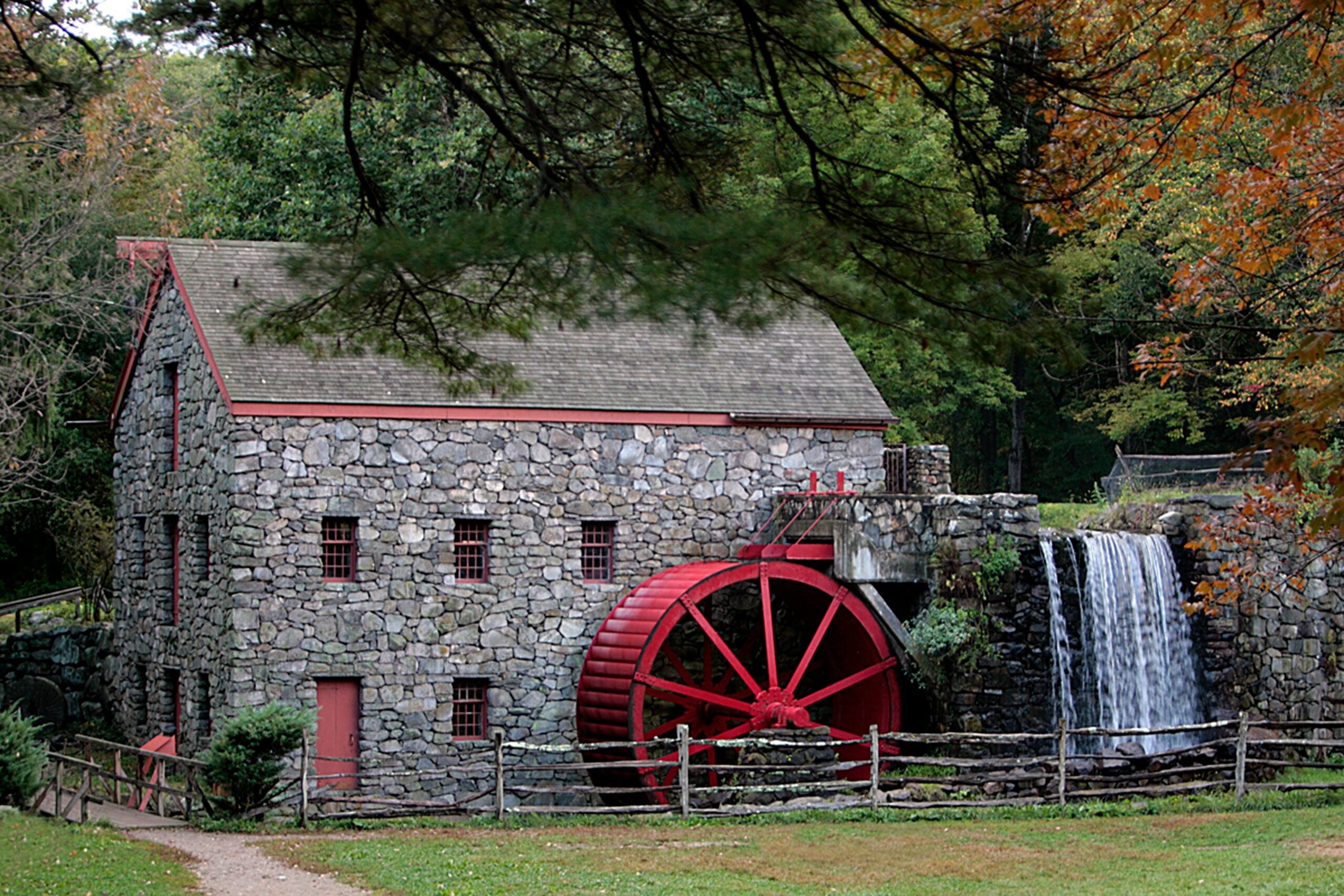
Tucked into the quiet folds of rural America stands a structure that carries the weight of more than a century of history—the Sim Corder/Harrison Mill. Although modest in appearance, this mill represents a vital chapter in the nation’s industrial story. Before highways, supermarkets, and automated production lines reshaped daily life, mills like this one served as the backbone of communities. They transformed raw grain into food, connected farmers to markets, and played a central role in the growth of early settlements. The Sim Corder/Harrison Mill remains a reminder of the people, labor, and innovation that shaped American life in the nineteenth and early twentieth centuries.
A Community Built Around the Mill
When the mill first opened, it quickly became much more than a simple industrial site. In a time when rural communities were far more isolated than they are today, mills functioned as gathering places. Farmers arrived with wagons loaded with wheat, corn, or other grains, often traveling miles over rugged roads. While waiting for their grain to be processed, many traded news, shared stories, and exchanged goods. The Sim Corder/Harrison Mill helped knit the community together, offering a shared space where friendships formed and families connected.
The presence of a reliable mill also encouraged settlement. Families looking to build new homes and farms sought land within a reasonable distance of such facilities, ensuring that crops could be processed efficiently. As a result, stores, churches, schools, and houses soon dotted the landscape around the mill. What began as a single structure eventually became the heart of a small but thriving rural neighborhood.
Craftsmanship, Ingenuity, and Hard Work
The Sim Corder/Harrison Mill is also a testament to the craftsmanship and engineering skills of its builders. Long before advanced machinery or modern construction techniques existed, mills were built by hand, using local materials and traditional knowledge passed down through generations. Every beam, gear, and stone had to be placed precisely to ensure the mill operated smoothly.
Water-powered mills like this one harnessed the natural force of flowing streams. This clean, renewable energy source drove the grinding stones that turned grain into flour or meal. It was an elegant solution to an everyday problem, reflecting the era’s ingenuity. The millwrights who designed and maintained such structures possessed a deep understanding of mechanics and physics, even if they lacked formal education. Their work helped lay the groundwork for America’s future as an industrial leader.
Economic Impact on the Region
The Sim Corder/Harrison Mill also played a significant role in local economic development. Dependable grain processing enabled farmers to produce goods for broader distribution. What might once have been limited to personal consumption now has commercial value. Farmers could sell their flour, cornmeal, and other processed products at nearby markets or exchange them for essential supplies.
The mill’s influence extended beyond agriculture. As the community grew, blacksmiths, carpenters, merchants, and other tradespeople found opportunities to start businesses. The economic ripple effects of the mill helped stabilize the region and encourage long-term settlement. In many ways, it acted as a bridge between subsistence farming and a more diversified local economy.
A Witness to Changing Times
Over the decades, the Sim Corder/Harrison Mill has survived dramatic shifts in technology, transportation, and daily life. The introduction of steam engines and later electricity transformed industrial operations. Large commercial mills emerged, offering faster production at lower cost. Roads improved, and new forms of commerce developed. Many small mills across the country shut down as modern advancements made their traditional methods seem outdated.
Yet the Sim Corder/Harrison Mill endured, even as its original function faded. Its presence is a living record of a time when American life moved at a slower, more deliberate pace. It stands as a symbol of resourcefulness, resilience, and community strength.
Preservation and Cultural Importance Today
Today, the mill holds value not just as an old building but as a cultural and educational treasure. Restoring and preserving sites like the Sim Corder/Harrison Mill helps future generations understand how early American communities survived and prospered. These historic structures allow visitors to walk in the same footsteps as farmers, millers, and families who lived more than a century ago.
Preservation also offers a way to honor local heritage. For descendants of early settlers, the mill represents family stories, traditions, and memories that define their roots. For others, it serves as a reminder of the ingenuity and determination that influenced the nation’s development.
Many restored mills around the country now host tours, demonstrations, and community events. When people see grinding stones turn or hear the gentle rhythm of water-powered machinery, they gain a deeper appreciation for the labor and skill that shaped early American life. While the Sim Corder/Harrison Mill may no longer be the economic engine it once was, it continues to enrich the community in a new way—through education, tourism, and cultural celebration.
A Timeless Symbol of America’s Past
The Sim Corder/Harrison Mill remains a quiet but powerful symbol of history. It tells a story of early industry, community cooperation, and the evolution of rural life. As time moves forward, preserving places like this mill allows us to maintain a connection to the past—one that teaches valuable lessons about perseverance, innovation, and the spirit of American progress.
Through its sturdy walls and well-worn timbers, the mill continues to whisper stories of another era, reminding us that even the humblest buildings can carry extraordinary historical significance.