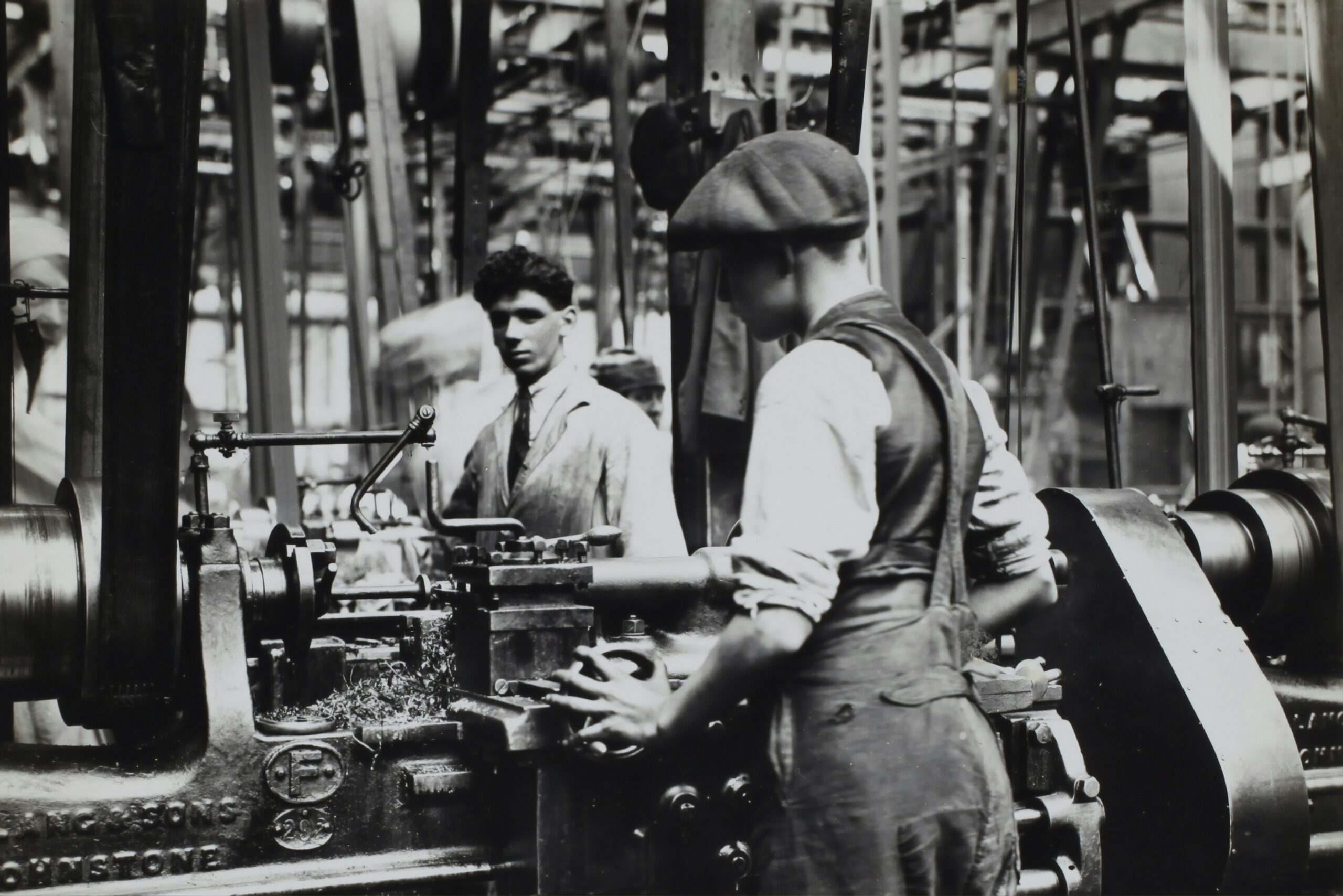
The story of Harrison Mill offers a clear look at how small communities helped shape American progress. Long before large factories filled growing cities, mills powered local economies and supported everyday life. Harrison Mill stood at the center of this change because it gave farmers, workers, and business owners a dependable place to process grain and conduct trade. As transportation improved, the mill connected nearby communities and encouraged new business opportunities. Today, its history reminds us that early industry grew from practical solutions, strong local partnerships, and steady innovation. By studying Harrison Mill, we can better understand how simple technology created lasting economic growth and helped build the foundation of modern American industry.
The Beginning of Harrison Mill
Harrison Mill began during a period when communities depended on natural resources for survival and growth. Flowing water supplied reliable power, while skilled builders created equipment that transformed raw grain into useful products. As a result, farmers no longer needed to travel long distances to process their harvests. The mill quickly became an important gathering place because it offered practical services that supported local families and businesses.
At the same time, the surrounding area expanded because people wanted to live near dependable industries. Merchants opened stores, artisans started workshops, and travelers visited regularly to exchange goods and information. Consequently, Harrison Mill became much more than a working mill. It served as a center for economic activity, community relationships, and steady regional development.
Water Power Changed Local Manufacturing
Water powered nearly every part of Harrison Mill’s daily operation. Large wooden wheels captured the force of moving streams and transferred energy to grinding stones and other mechanical equipment. As a result, workers completed difficult tasks much faster than they could with manual labor. This dependable system improved production while reducing physical effort throughout the workday.
Moreover, reliable power encouraged people to invest in new businesses nearby. Local entrepreneurs recognized that dependable milling services created stable markets for farming and trade. As production increased, additional industries appeared in the area. This steady growth demonstrated how natural resources supported the expansion of early industry across many American communities.
Supporting Farmers and Local Commerce
Farmers depended on Harrison Mill throughout the growing season because it processed harvested grain into flour and meal. Instead of handling every task by hand, they relied on the mill to complete work efficiently and consistently. Consequently, they saved valuable time and focused more attention on planting, harvesting, and caring for their land.
Meanwhile, merchants benefited from the growing supply of finished products. Flour traveled to nearby towns, while local businesses expanded their inventories with dependable goods. As trade increased, transportation routes improved and attracted even more customers. Therefore, Harrison Mill strengthened both agriculture and commerce while creating a more stable regional economy.
Innovation Improved Everyday Operations
Mill operators constantly searched for ways to improve efficiency. They repaired worn equipment, adjusted machinery, and adopted better construction methods whenever possible. Consequently, Harrison Mill remained productive while meeting the changing needs of farmers and merchants. Small improvements often created significant gains in both speed and reliability.
Furthermore, practical innovation encouraged nearby businesses to modernize their own operations. Workers learned valuable mechanical skills that they later applied in other industries. This exchange of knowledge supported broader economic development across the region. As technology advanced, Harrison Mill continued to demonstrate how careful improvements strengthened industrial history without abandoning proven methods.
A Community Built Around the Mill
The mill offered more than industrial services because it also brought people together. Farmers discussed weather, markets, and harvests while waiting for their grain to be processed. Likewise, families exchanged news, shared advice, and strengthened community ties. These regular meetings helped build trust among neighbors and encouraged cooperation during difficult seasons.
In addition, skilled workers found employment through mill operations and related businesses. Carpenters repaired equipment, blacksmiths created metal tools, and wagon builders supported transportation needs. As each trade expanded, the local economy became stronger and more diverse. Harrison Mill therefore played a valuable role in creating both employment opportunities and lasting community connections.
Transportation Expanded New Markets
Roads and waterways played an important role in Harrison Mill’s success. Wagons carried grain from surrounding farms, while finished products traveled to growing towns and trading centers. As a result, the mill reached customers beyond its immediate neighborhood. Better transportation created new opportunities for business owners and increased regional prosperity.
Additionally, expanded trade encouraged investment in local infrastructure. Bridges improved travel, roads connected distant communities, and merchants established stronger commercial networks. These improvements supported regular movement of goods and people throughout the area. Harrison Mill became an important link between rural producers and expanding marketplaces across the region.
Preserving Harrison Mill for Future Generations
Today, preservation efforts help protect Harrison Mill as an important reminder of America’s industrial past. Historians, volunteers, and community organizations work together to maintain the structure and share its story with visitors. As a result, future generations can experience the engineering, craftsmanship, and determination that shaped early communities.
Visitors also gain a better understanding of how local industries influenced national development. Educational programs explain traditional milling methods, historic technology, and daily life during earlier centuries. Because these experiences connect people with authentic history, Harrison Mill continues to inspire appreciation for the creativity and resilience that fueled American progress.
Why Harrison Mill Still Matters Today
Although modern factories operate with advanced technology, Harrison Mill still offers valuable lessons about sustainable growth and community cooperation. It reminds us that successful industries often begin with practical ideas, reliable resources, and dedicated workers. Furthermore, the mill demonstrates how local businesses can create lasting economic opportunities while supporting surrounding communities.
Its legacy also encourages people to preserve important landmarks that reflect America’s industrial journey. By protecting this historic grist mill, communities honor the workers, farmers, and innovators who built strong local economies through determination and shared effort. Harrison Mill remains an enduring symbol of early industry because it represents progress, resilience, and the powerful connection between technology, commerce, and community development.