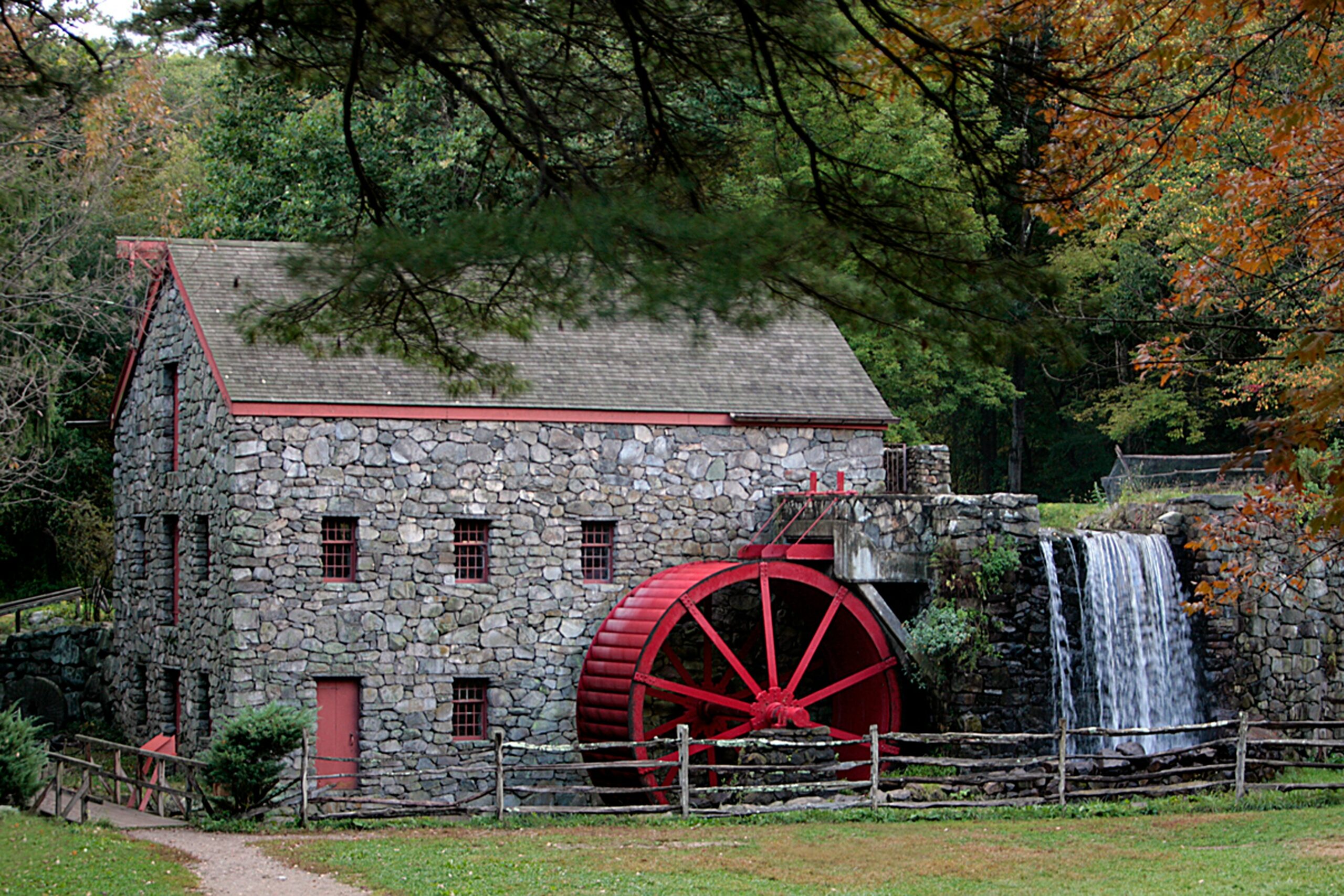
The story of early industrial progress reveals how creativity and necessity often shaped practical solutions, and the Sim Corder/Harrison Mill stands as a clear example of this evolution in action. As communities relied on local production, engineers and builders developed systems that improved efficiency, supported economic growth, and transformed daily life.
This historic mill not only processed materials but also demonstrated how innovative design could solve real challenges while maximizing available resources. Therefore, the Sim Corder/Harrison Mill became more than a structure; it marked a turning point when engineering ideas began to shape long-term industrial success, local prosperity, and future manufacturing practices.
Foundations of Early Industrial Design
Early mill construction depended on simple yet highly effective design principles that balanced function with the resources available at the time. Builders relied on local materials, reliable water access, and practical mechanical knowledge to create systems capable of operating consistently year-round. As a result, mills like this one demonstrated how carefully planned engineering solutions could deliver reliable production.
At the same time, designers improved building layouts to reduce wasted movement and increase overall productivity. They positioned machinery to enable a smooth workflow from raw material processing to finished products while making maintenance easier for workers. Consequently, these thoughtful design choices demonstrated how early engineering innovation emphasized efficiency, organization, and practical problem-solving.
Water Power as a Driving Force
Water power served as the backbone of many early mills and played a central role in the success of operations such as the Sim Corder/Harrison Mill. Engineers carefully positioned structures near reliable rivers and streams to ensure a continuous supply of natural energy throughout changing seasons. This strategic decision allowed machinery to operate longer, more consistently, and with greater overall efficiency.
Moreover, waterwheel systems converted the steady movement of flowing water into mechanical energy with impressive reliability for the time. By refining wheel designs, controlling water flow, and improving channel construction, operators gradually increased power output while reducing interruptions.
Mechanical Systems That Improved Output
Mechanical innovation enabled mills to process raw materials much faster and more accurately than manual labor alone could. Gears, shafts, pulleys, and belts worked together to transfer energy efficiently across different parts of the production system. As a result, workers could manufacture larger quantities of goods in less time while maintaining more consistent quality and dependable production standards.
In addition, engineers continually refined these mechanical systems to reduce equipment failures and extend the lifespan of critical components. They improved alignment, lubrication methods, material selection, and equipment balance to enhance performance under demanding conditions. Consequently, these practical improvements highlighted how early engineering innovation focused equally on durability, efficiency, and dependable long-term operation.
Smart Use of Local Resources
The success of early mills depended heavily on the careful and efficient use of locally available resources. Builders sourced wood, stone, and metal from nearby areas to reduce transportation costs while simplifying both construction and future maintenance. This practical approach, combined with innovative design, ensured that repairs, replacements, and system upgrades could be completed more quickly when necessary.
Furthermore, mill operators adapted production methods in response to changing local conditions, including water flow, weather patterns, and seasonal demands. They adjusted maintenance schedules and daily operations to maximize efficiency throughout the year without placing unnecessary strain on equipment.
Structural Strength and Longevity
Durability played a major role in the long-term success of historic mills like the Sim Corder/Harrison Mill. Engineers designed strong foundations, reinforced load-bearing structures, and carefully supported mechanical components to withstand constant operational stress over many years. As a result, many of these well-built facilities remained productive and dependable for decades while serving their surrounding communities.
At the same time, routine inspections and preventive maintenance protected the structural integrity of both the building and its machinery. Workers regularly repaired worn components, strengthened critical areas, and addressed minor issues before they developed into major problems.
Innovation Through Practical Problem Solving
Engineering progress often resulted from solving everyday operational challenges rather than pursuing complicated theoretical ideas. Mill operators carefully observed inefficiencies, identified production bottlenecks, and tested practical improvements that enhanced workflow and equipment performance.
Additionally, close collaboration between builders, engineers, and workers encouraged creative thinking and continuous improvement. Shared experience allowed teams to refine mechanical systems, improve maintenance practices, and adapt to changing production needs more effectively.
Impact on Local Economic Growth
Mills like the Sim Corder/Harrison Mill supported local economies by creating stable employment opportunities and expanding production capacity. As manufacturing output increased, nearby communities gained access to a wider variety of goods while businesses benefited from more dependable supplies.
Moreover, the presence of a successful and reliable mill attracted skilled workers, merchants, and supporting industries to the surrounding area. These growing business connections created an expanding network of economic activity that reached well beyond the immediate community.
Lasting Influence on Modern Engineering
The engineering principles demonstrated by historic mills continue to influence modern industrial design and manufacturing practices today. Efficiency, careful resource management, mechanical reliability, and practical innovation remain essential elements of successful engineering projects across many industries. These early achievements continue to provide valuable lessons for professionals developing advanced technologies and production systems.
Furthermore, studying historic engineering systems helps modern engineers better understand the origins of industrial processes and mechanical design. It demonstrates how meaningful innovation often develops through practical experience, continuous improvement, and thoughtful adaptation to real-world challenges.