Eco-engineering has become a defining feature of modern architecture, emphasizing energy efficiency, resource conservation, and environmental responsibility. Yet, long before these terms became industry standards, specific historical structures quietly embodied these very principles. One standout example is the Sim Corder/Harrison Mill, an industrial site that seamlessly integrated environmental consciousness into its engineering and design.
Situated in a time when industrial expansion rarely considered nature, this mill took a bold, forward-thinking approach. From its use of renewable energy to the thoughtful selection of materials and systems, the Sim Corder/Harrison Mill remains a powerful example of early eco-engineering, offering lessons that resonate strongly in today’s sustainability-driven world.
A Vision Rooted in Function and Nature
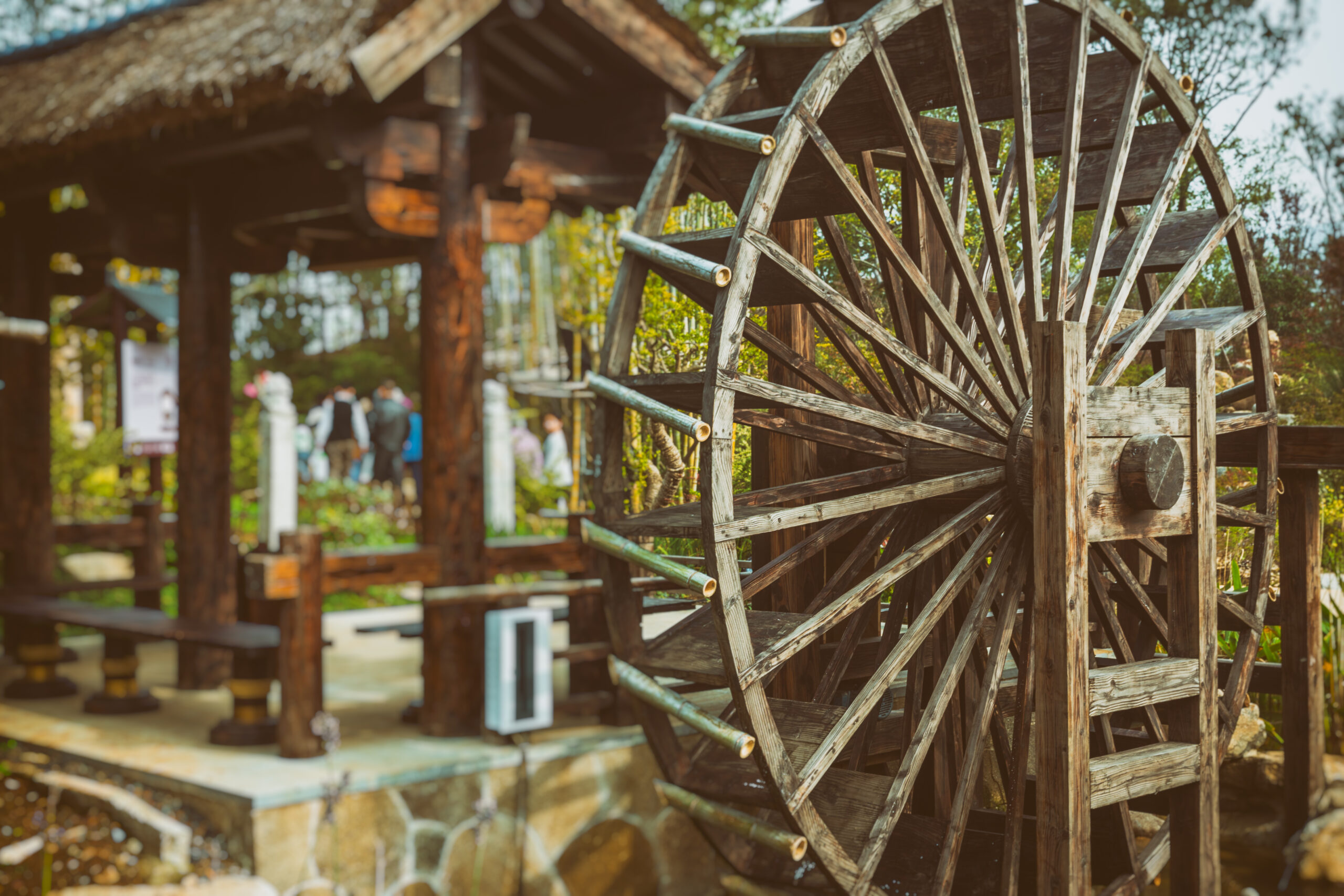
The foundation of the mill’s design was practical, but it also reflected an intuitive understanding of environmental harmony. Rather than overpowering the landscape, the structure fit into it, leveraging the natural surroundings to its advantage. By choosing a location near a water source, the builders ensured a consistent, renewable energy supply via a water wheel that powered the mill’s operations with minimal environmental impact.
This integration of nature and function wasn’t an accident; it was a calculated decision that anticipated modern sustainability standards. It demonstrated how industry could thrive without relying on polluting fuels. The Sim Corder/Harrison Mill stands as a reminder that embracing nature in design can lead to efficiency, resilience, and longevity.
Sustainable Materials That Stood the Test of Time
One of the mill’s most remarkable achievements lies in its use of local and durable materials. Constructed with timber and stone sourced nearby, the structure minimized transportation emissions and embodied the principle of using what the land offers. These materials were not only sustainable in origin but also blended aesthetically with the surrounding environment.
Their performance over time has been equally impressive. The structure’s continued stability and presence are proof of the strength of eco-friendly choices. Where many modern buildings face costly renovations or complete overhauls, the Sim Corder/Harrison Mill remains intact, mainly, showcasing how thoughtful material selection can yield both beauty and durability.
Ingenious Ventilation and Lighting Systems
Long before the invention of electric fans or HVAC systems, the mill’s designers found innovative ways to control the building’s internal environment. Large, strategically placed windows allowed natural cross-ventilation, keeping air circulating throughout the space. This helped maintain comfortable indoor temperatures without requiring additional energy input.
In addition to airflow, these same windows served as an essential source of daylight. Workers benefited from abundant natural light, which reduced the need for lamps or lanterns. This design choice supported worker productivity while minimizing energy consumption, a concept that aligns perfectly with today’s eco-engineering strategies.
Water Management: A Lesson in Efficiency
Water served multiple purposes within the Sim Corder/Harrison Mill, and each use reflected an advanced understanding of resource efficiency. Beyond supplying power, the water also played a key role in cooling processes and operational flow. Carefully constructed channels and sluices managed the water supply with precision, preventing waste and ensuring reliability.
This sophisticated approach to water use highlights one of the most essential tenets of eco-engineering, making the most of natural systems without exhausting them. The mill’s water management demonstrates that resource use doesn’t have to be exploitative to be effective. Instead, it can be balanced, sustainable, and regenerative.
Community Impact and Circular Economy
The mill’s sustainability extended beyond the environment to the people and economy around it. By sourcing raw materials from nearby farms and selling goods locally, it reduced transport emissions and boosted the local economy. This approach created a closed-loop system in which production, consumption, and reuse were community-based.
Such a model reflects the modern concept of a circular economy, where waste is minimized, and local ecosystems are prioritized. The Sim Corder/Harrison Mill was a pioneer in this area as well, fostering economic sustainability alongside environmental stewardship. Its success in supporting local livelihoods further cements its place as a benchmark in the history of eco-engineering.
Legacy and Lessons for Modern Designers
Today’s architects and engineers continue to grapple with the challenge of building sustainably, and the Sim Corder/Harrison Mill offers timeless insights. Its success was rooted not in high-tech innovation, but in thoughtful, context-driven design that respected the environment and the community it served.
By studying structures like this, modern professionals can gain a deeper understanding of how sustainable systems function over time. The mill is a living classroom, proving that the best solutions often come from working with natural forces rather than trying to override them. It urges us to blend heritage with innovation to build a better future.
Why the Sim Corder/Harrison Mill Still Matters
As the effects of climate change become more severe and the demand for responsible development increases, historical models of sustainability grow even more critical. The Sim Corder/Harrison Mill remains a shining example of how environmental mindfulness and engineering excellence can co-exist.
In a world rushing to adopt new technologies, the mill offers a reminder that the principles of eco-engineering are timeless. By revisiting and learning from this historic site, we can ground our future innovations in proven, practical, and planet-friendly approaches.
The Sim Corder/Harrison Mill exemplifies what it means to build sustainably. With its innovative use of natural resources, eco-conscious design choices, and positive community impact, it achieved what many modern structures still strive for. It didn’t just meet the needs of its time; it anticipated the future.
By looking to this mill as a model, designers and engineers can draw inspiration from the past to guide the future. The values it represents, efficiency, harmony, and resilience, remain central to the ongoing journey of eco-engineering. Its story is not only a historical achievement but also a blueprint for generations to come.