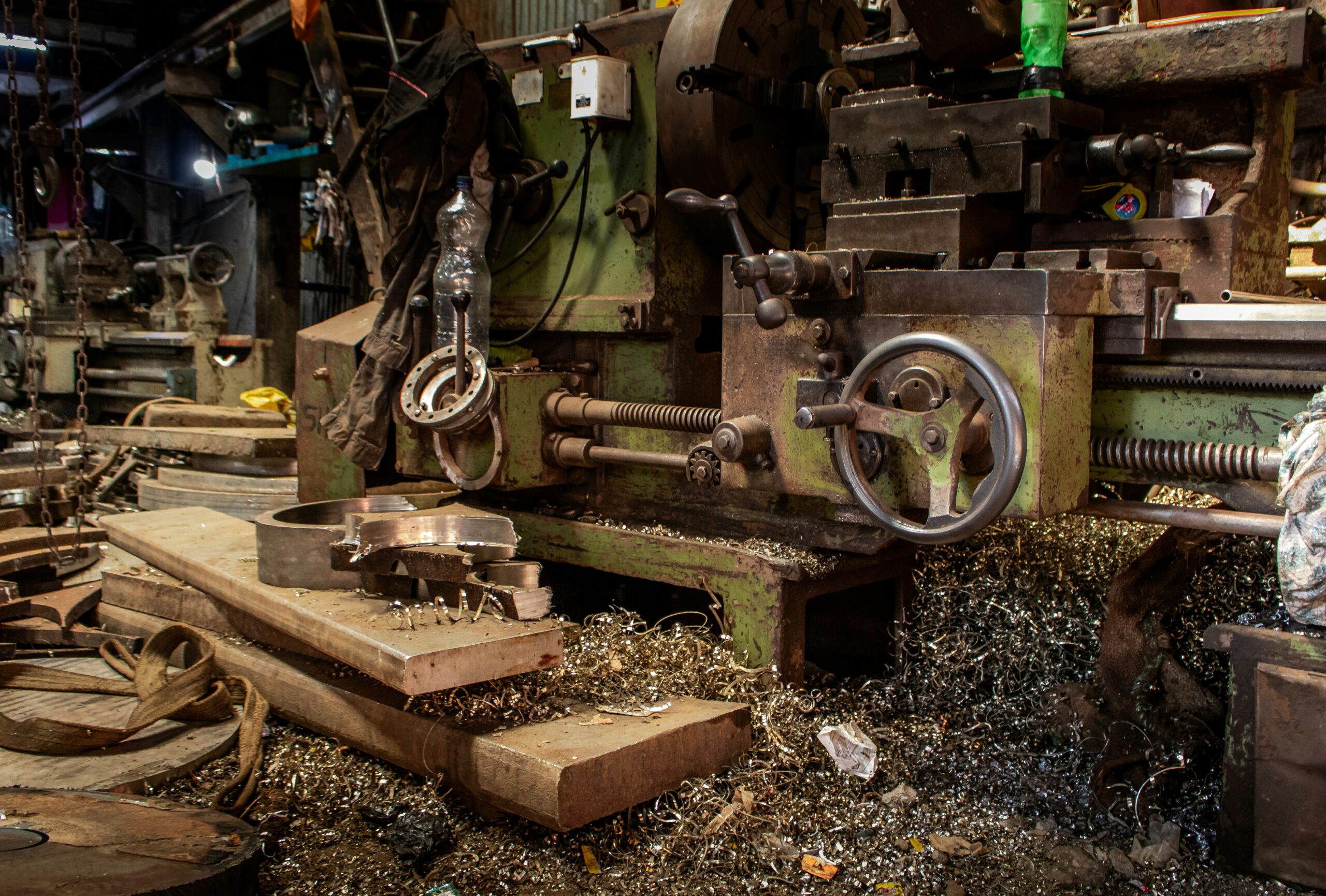
Harrison Mill stands as a powerful symbol of bold change, a place where determined workers and visionary leaders shaped the rise of mechanized industry. The mill grew from a simple riverside workshop into an energetic center of invention, and its steady progress reveals how communities adapted when machines began to transform daily life. Through careful guidance and a readiness to embrace new ideas, the people of Harrison Mill helped launch an era that continues to influence modern production.
Early roots of creative transformation
In its earliest years, Harrison Mill relied on basic hand tools, steady muscle, and the practiced rhythm of traditional craft. Still, there was a growing sense that the world was moving toward something faster and more efficient. The owners recognized this trend early and encouraged their workers to test fresh methods. As a result, the mill quickly gained a reputation for curiosity and improvement. Every time a new tool arrived, teams gathered to learn its purpose and imagine its potential.
The river powered the first machines, and the hum of turning wheels soon signaled the start of a new age. Although change arrived swiftly, the community around the mill approached it with enthusiasm. Many workers saw opportunity in each new device, trusting that the future held broader horizons than the familiar ways of the past. Because of this shared belief, the mill became a guiding force during a period of cultural and economic expansion.
How mechanization reshaped daily labor
Once machines began to take over the heaviest tasks, the rhythm of work changed. Instead of relying solely on human strength, workers learned to direct mechanical power with precision. This shift required patience and practice, yet the community embraced the challenge with remarkable unity. As machines grew more complex, so did the skills of the people who guided them.
Daily routines developed a sharper pace. Workers moved from station to station with focused purpose, adjusting belts, guiding levers, and maintaining constant awareness of flowing production lines. Even though the machines handled the most challenging work, human judgment remained the heart of the operation. Workers listened for subtle changes in tone, felt the vibration of gears, and interpreted signs of strain that no device could detect on its own.
This partnership between human insight and mechanical force changed the mill’s identity. It became clear that efficiency did not simply come from stronger tools. It came from teams who understood how to merge craft with innovation, and that blend lifted Harrison Mill above many rivals.
Strengthening the region through industrial growth
As Harrison Mill advanced, the surrounding region felt the effects. Roads improved to facilitate the transport of goods in and out. Shops opened to support both workers and visiting traders. Families settled nearby, drawn by the promise of steady employment. This constant growth fostered a sense of security that encouraged merchants, farmers, and artisans to pursue their own ventures.
The town’s identity shifted toward a forward-looking spirit. Travelers arriving from distant places often remarked on the community’s lively energy. They saw a place where people valued cooperation and progress, where the mill shaped not only the economy but also the region’s character. Because the mill adopted innovative systems earlier than many others, it set a model that neighboring towns soon tried to follow.
Balancing craftsmanship with innovation
Even as machines became central to production, human touch remained essential. Skilled workers still shaped each product with care, guiding the machinery and refining the final results. This blending of old knowledge with new technique became one of Harrison Mill’s greatest strengths.
Many believed that machines might erase the value of craftsmanship, yet the opposite occurred. Workers developed more profound expertise by learning both traditional methods and modern systems. They became problem solvers, mentors, and guardians of quality. Their insight enabled the mill to keep improving, even as it maintained the dependable standards that set it apart.
The relationship between people and machines created a unique harmony. Mechanical systems offered power and speed, while human skill offered precision, intuition, and creativity. This balance allowed the mill to grow without losing its identity.
Community resilience during rapid change
A period of rapid transformation can unsettle any town, but the people around Harrison Mill carried themselves with strength. They understood that change, while sometimes challenging, also promised opportunity. Training sessions are spread across the community, filled with eager learners hoping to secure new roles. Experienced workers welcomed newcomers with open hearts, sharing tips patiently and offering guidance during long workdays.
This climate of trust and cooperation kept morale high even amid challenges. When machines jammed, teams reacted quickly. When production goals shifted, workers adapted with steady focus. Because the community believed in shared responsibility, tension rarely took root. A sense of unity strengthened every corner of the town, from crowded workshops to quiet homes along the river.
The enduring influence on modern industry
Harrison Mill continues to offer lessons for the modern world. Today’s factories may use advanced systems far beyond the early inventions of that era, yet the story remains relevant. Actual progress requires more than mechanical power. It needs people willing to learn, adapt, and imagine.
The mill’s leaders understood something vital. Tools matter, but culture matters more. When a community values education, teamwork, and curiosity, innovation becomes natural rather than forced. Modern companies often seek examples of effective collaboration between people and machines, and the story of Harrison Mill provides a clear guide. When workers feel supported, they match mechanical capability with emotional intelligence and thoughtful judgment.
A legacy built on courage and cooperation
The rise of mechanized industry at Harrison Mill was not the result of luck. It came from courage, steady effort, and a willingness to embrace unfamiliar ideas. Leaders encouraged experimentation, and workers responded with determination. Families supported one another during periods of uncertainty, and the entire community found strength in unity.
Harrison Mill stands today as more than a historical site. It represents a turning point in the journey toward modern industry. Its story shows that progress does not replace human values. Instead, it grows from collaboration between human creativity and technological advancement.
The rise of mechanized industry changed the future of production, and Harrison Mill played a central role in that transformation. Through innovation, teamwork, and resilience, the mill guided its region into a new era. Its legacy continues to inspire modern workplaces that seek balance between efficient systems and human insight. The story of Harrison Mill endures because it reflects a timeless truth. Progress thrives when people and machines move forward together with purpose and imagination.