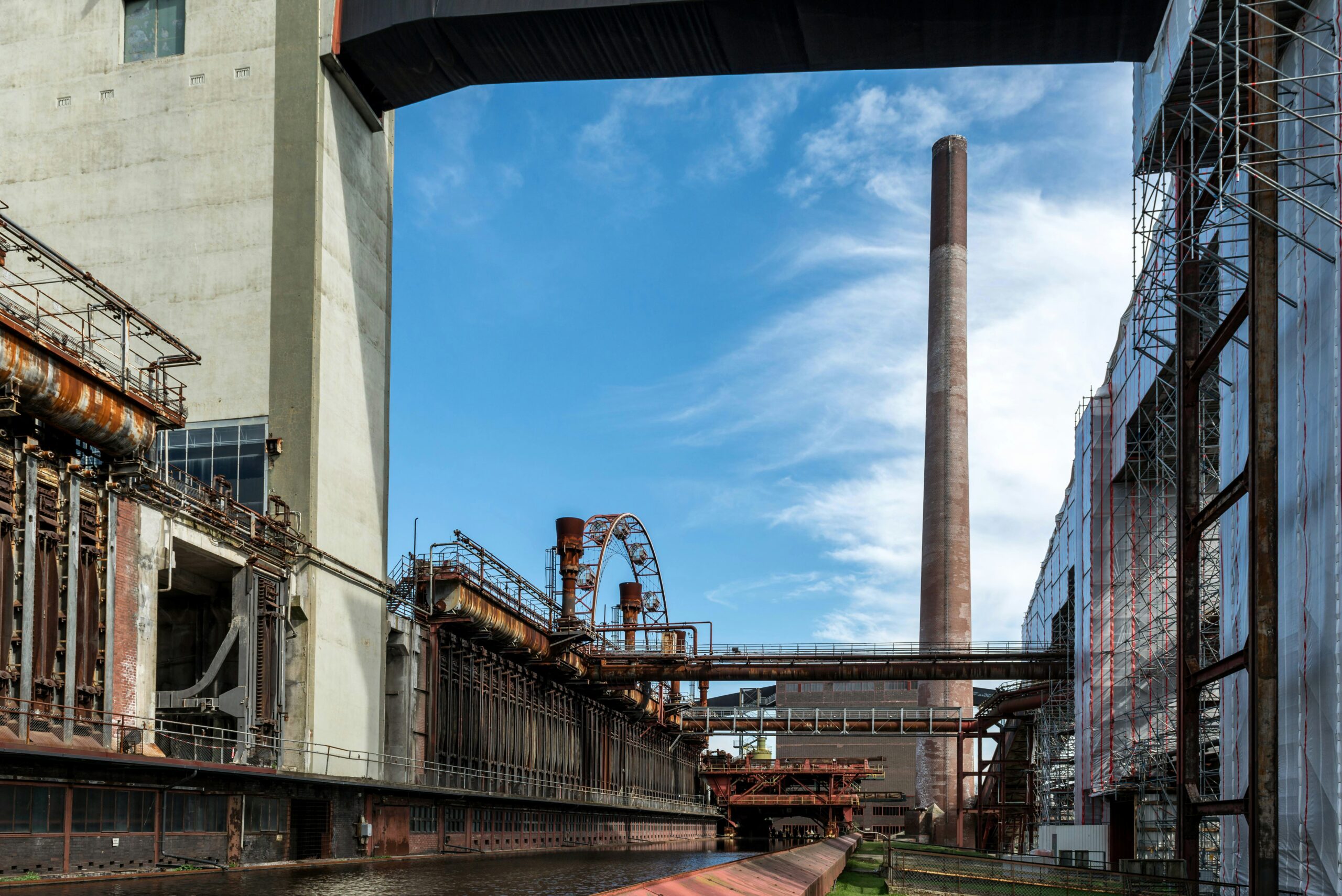
The earliest sparks of America’s industrial growth began not in massive factories but in small, determined operations like the Harrison Mill. Nestled beside a river, its turning wheel symbolized an age of discovery and transformation. This humble mill became a living testament to human ingenuity and the desire to shape a better, more efficient world. The Harrison Mill did more than grind grain—it helped grind the gears of history, pushing America toward a future defined by innovation, resilience, and progress.
The Dawn of a New Industrial Era
During the late eighteenth century, the United States stood on the edge of monumental change. Communities across the nation were shifting from handcraft to machinery, and the Harrison Mill stood at the heart of that transformation. Waterpower became the new engine of industry, and the mill’s design embodied this technological breakthrough. As the water rushed over its wheel, it created energy that fueled local production, bringing reliability and speed where once there had been laborious manual effort.
The founders of Harrison Mills understood that mechanization could elevate entire communities. Every turn of the wheel represented more than motion—it represented momentum. The mill’s success demonstrated that innovation could grow from necessity, and that even small settlements could lead the charge in industrial advancement.
Harnessing Waterpower for Progress
The mill’s lifeblood flowed from the river that powered it. The builders of the Harrison Mill harnessed natural energy with careful precision, transforming the river’s force into mechanical strength. Unlike the smoky engines that would later dominate factories, the waterwheel offered a cleaner, renewable source of power. This connection to nature set an early example of sustainability in industry, proving that progress did not always demand depletion.
Inside the mill, gears meshed, stones turned, and the air filled with the steady hum of productivity. Workers synchronized their tasks with the wheel’s rhythm, creating a smooth and efficient system. This mechanical harmony reflected the growing sophistication of early industrial engineering. By blending natural energy with human innovation, the Harrison Mill became both a technological and philosophical model for generations to come.
Building Community Through Industry
Beyond its machinery, the Harrison Mill represented the beating heart of a developing community. Farmers, merchants, and laborers all depended on its steady production. As the mill expanded, so did the surrounding settlement. Roads were laid to transport goods, markets grew to exchange products, and new families arrived seeking opportunity. The mill’s prosperity rippled outward, touching every corner of local life.
It also became a place of social connection. While waiting for their grain or goods, people shared stories, news, and ideas with one another. These exchanges helped build trust and fostered collaboration that would later define America’s small-town spirit. In every sense, the Harrison Mill was more than a workplace—it was a symbol of unity and shared purpose.
Innovation and Adaptation in a Changing World
As the nineteenth century progressed, the world of manufacturing underwent rapid evolution. Steam engines began to dominate, and electricity loomed on the horizon. Many mills failed to adapt, but the Harrison Mill stood apart. Its owners saw change not as a threat but as an invitation to grow. They upgraded equipment, improved efficiency, and invested in new power systems, ensuring the mill remained a vital part of the industrial landscape.
This willingness to adapt became a hallmark of American enterprise. The Harrison Mill’s evolution mirrored the nation’s spirit—bold, inventive, and forward-looking. Through every challenge, the mill stood firm, adapting to the demands of new technology while upholding the craftsmanship that had built its foundation.
A Testament to Craftsmanship and Sustainability
Visiting the Harrison Mill today feels like stepping back in time. The creak of old beams and the worn stones underfoot whisper stories of generations who believed in progress through hard work. The structure’s preservation speaks to a growing recognition of heritage and sustainability. In an age dominated by digital technology and automation, the mill’s simplicity carries powerful lessons.
It teaches that innovation can coexist with respect for the environment. The balance between technology and nature, once mastered by millwrights, remains relevant as modern industries grapple with the environmental consequences of progress. The Harrison Mill’s story reminds us that true advancement stems from harmony, not exploitation.
The Legacy That Still Turns
Though centuries have passed, Harrison Mill’s influence endures. It stands as a physical reminder of a time when vision and craftsmanship laid the groundwork for modern industry. Its story continues to inspire engineers, entrepreneurs, and historians who seek to understand how determination and creativity can transform entire societies.
Every turning wheel at the Harrison Mill once marked the rhythm of change. That rhythm still echoes in the hum of machines, the flow of innovation, and the pulse of economic life today. From its early reliance on natural energy to its embrace of technological progress, the mill represents the very essence of American perseverance.
Reflections on Progress and Purpose
Looking back, the Harrison Mill’s legacy is more than mechanical—it is moral. It reminds us that progress must always serve people, not just profit. The mill’s success came from its ability to strengthen communities while respecting the natural world that sustained it. This principle holds even greater significance in today’s era of rapid industrial and digital growth.
The story of the Harrison Mill is a reminder that history’s turning wheels are not just relics of the past—they are metaphors for progress itself. With each revolution and innovation, the dreams of those who believed in better ways to work and live are carried forward. As we continue to advance, the lessons drawn from that riverside mill encourage us to balance ambition with awareness, ensuring that the engines of progress never lose sight of their human purpose.
Through the steady power of water, the courage to innovate, and the will to adapt, the Harrison Mill helped shape America’s industrial awakening. Its wheels may have stopped turning long ago, but its influence continues to drive the spirit of progress forward—one revolution at a time.